Thymosin alpha-1 research: thymalfasin and immunity
A synthetic copy of a thymic peptide comes with a complicated immune story. Its biological origin explains the interest; the trials determine how much confidence it earns.
The thymic starting point
Thymosin alpha-1 is a 28-amino-acid peptide originally isolated from thymus tissue. Thymalfasin is the synthetic, sequence-identical version. The comprehensive thymosin alpha-1 review follows its place in immune biology and the international clinical literature.
This is the closest copy in the collection. I initially expected that to make its medical story easier to follow. Instead, the very idea of “immune support” becomes troublesome: an immune response has to fit the infection, the tissue and the stage of illness. Reproducing a molecule does little to simplify those circumstances.
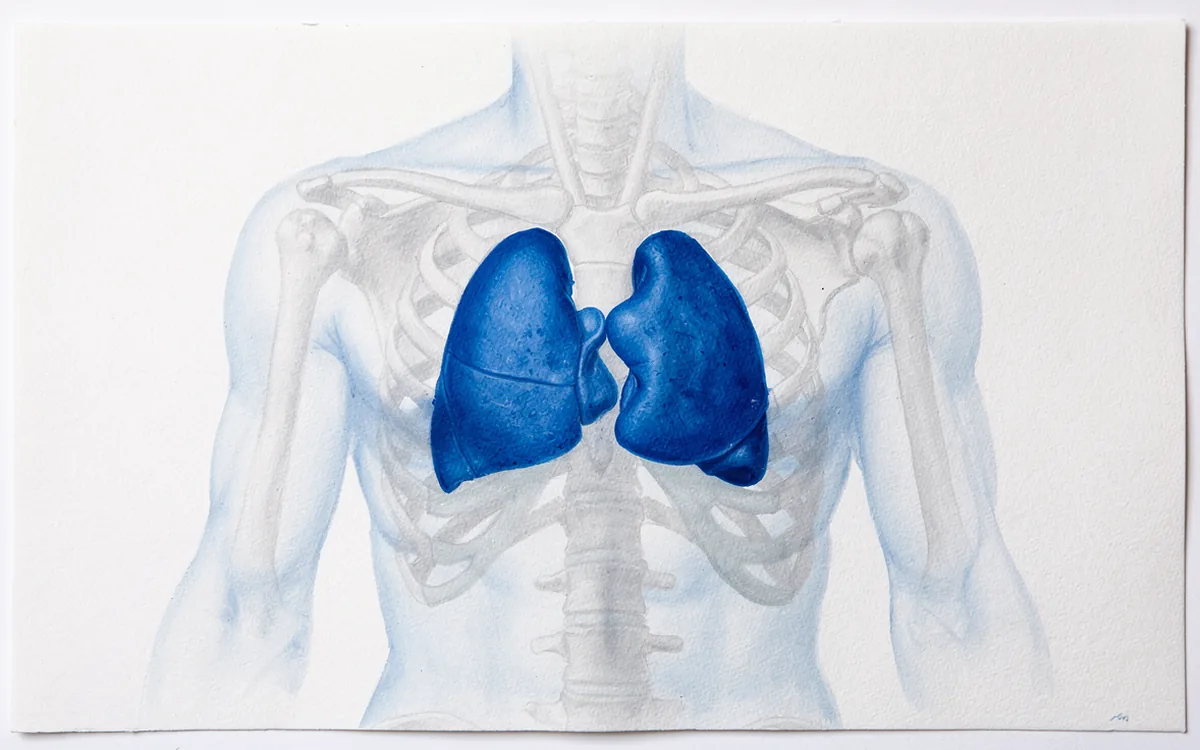
Activation and restraint
The review’s account of immune signalling includes activation through Toll-like receptors on dendritic cells and monocytes. These cells help present material to T cells and shape the response. The peptide also has a regulatory arm involving IDO, an enzyme in tryptophan metabolism, which can favour regulatory T cells.
“Boost” is too blunt a verb for that combination, in my opinion. The appeal of the molecule is its ability to influence an existing conversation between immune cells. How that conversation changes in a particular disease is the difficult part.
Thymosin alpha-1 and thymosin beta-4 are distinct molecules. TB-500, associated with thymosin beta-4, has a different sequence and mechanism. The shared thymosin name is an easy way to end up discussing the wrong peptide.
Sepsis trials
The ETASS trial in 361 adults with severe sepsis reported 28-day mortality of 26.0% with thymosin alpha-1 versus 35.0% in controls. Its statistical readings diverged: the nonstratified P value was 0.062; the log-rank P value was 0.049. The case for another trial was reasonable, I think, with plenty of room for disappointment.
The later phase 3 TESTS trial enrolled 1,106 adults with sepsis across 22 centres. It found no statistically significant difference in 28-day all-cause mortality: HR 0.99; 95% CI 0.77–1.27; P=0.93. For the broad sepsis claim, that is a substantial disappointment. The attractive immune mechanism survives as biology; the proposed mortality benefit failed this test.
Thymosin alpha-1 cancer research
The 2019 reappraisal of thymosin alpha-1 in cancer therapy considers it as an adjuvant, an addition to another treatment. Its discussion includes melanoma, hepatocellular carcinoma and lung cancer, with interest in dendritic cells, adaptive immunity and combinations with immunotherapy.
Much of this account rests on preclinical and observational work. The combination rationale intrigues me, especially the possibility of influencing both immune activity and treatment toxicity. The sources collected here supply no large phase 3 oncology trial establishing a cancer-survival benefit. That would be a much stronger footing for the claim.
COVID-19 observations
In a retrospective cohort of 76 people with severe COVID-19, mortality was 11.11% with thymosin alpha-1 versus 30.00% in the comparison group; P=0.044. T-cell numbers and exhaustion markers also changed. These were observations from a retrospective comparison at a single institution, with limited ability to settle causation.
The immune-cell findings make the hypothesis intelligible. They leave the clinical question open. Retrospective allocation weakens the causal argument for me compared with a blinded randomized trial.
Tolerability and U.S. restrictions
The clinical review describes local irritation, redness and discomfort as the common adverse effects and notes approval in more than 35 countries. Thymosin alpha-1 has no FDA-approved indication in the United States. Safety data for pregnancy and lactation are limited; concerns in autoimmune disease and solid-organ transplantation are theoretical, with systematic evidence lacking in those populations.
On FDA’s page current as of April 22, 2026, thymosin alpha-1 appears among substances whose nominations were withdrawn, with safety concerns retained. Withdrawal confers neither Category 1 status nor permission to compound it. A clinical prescription assessment and the legality of a proposed compounded preparation are separate matters.
Research-grade material has unverified identity, purity and sterility. Familiarity with the body’s original peptide cannot verify a supplied preparation.
Reports of immune resilience
Community accounts describe fewer colds, easier recovery, steadier energy or no noticeable change. Redness, itching and transient flu-like feelings also appear. These are anecdotes, not clinical evidence of improved immunity.
The absence of a noticeable feeling is particularly easy to overinterpret. Neither feeling more resilient nor feeling nothing supplies a controlled measure of immune function.